

How does metallic pvc film perform in high temperatures?
Jun 24, 2026
Leave a message
Hey there! As a supplier of metallic PVC film, I often get asked about how our product performs in high temperatures. It's a crucial question, especially for those who plan to use the film in environments where heat is a factor. So, let's dive right into it and explore the ins and outs of how metallic PVC film holds up when the mercury rises.

Understanding Metallic PVC Film
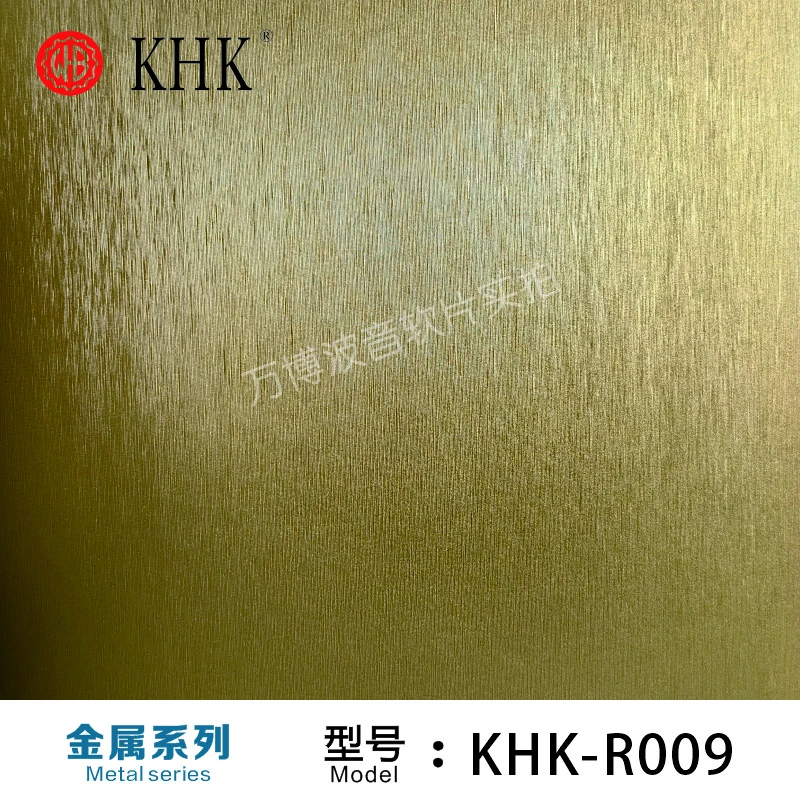
First off, let's quickly go over what metallic PVC film is. It's a type of polyvinyl chloride (PVC) film that has a metallic finish. This finish gives it a shiny, reflective look that can add a touch of elegance and modernity to various surfaces. It's commonly used for decorative purposes, such as wall coverings, furniture accents, and even in automotive interiors.
The metallic layer in the film is typically made up of a thin layer of metal or metal - like material that is bonded to the PVC base. This combination gives the film its unique appearance and properties.
High - Temperature Performance: The Basics
When it comes to high - temperature performance, metallic PVC film has some pros and cons. One of the key factors to consider is the melting point of PVC. PVC generally starts to soften at around 70 - 80°C (158 - 176°F) and can start to decompose at higher temperatures.
In normal, everyday conditions, most indoor environments don't reach these high temperatures. But in some industrial settings, or in areas exposed to direct sunlight for long periods, the temperature can get quite high.
Physical Changes at High Temperatures
Softening and Deformation
As the temperature rises towards the softening point of PVC, the metallic PVC film can start to lose its shape. If it's used as a wall covering, for example, it might start to sag or wrinkle. This is because the PVC becomes more malleable, and the weight of the film itself can cause it to deform.
Adhesive Issues
The adhesive used to attach the metallic PVC film to a surface is also affected by high temperatures. Many adhesives start to lose their stickiness as the temperature increases. This means that the film might start to peel away from the surface it's applied to. In extreme cases, the adhesive can break down completely, causing the film to fall off.
Color Fading
The metallic finish on the PVC film can also be affected by high temperatures. Prolonged exposure to heat can cause the color of the metallic layer to fade. This is especially true for films with bright or vivid colors. The heat can break down the pigments in the metallic layer, resulting in a duller, less vibrant appearance.
Advantages in High - Temperature Situations
Despite these potential issues, metallic PVC film also has some advantages in high - temperature situations.
Reflectivity
The metallic finish of the film is highly reflective. This means that it can reflect a significant amount of heat and light. In a hot environment, this can help to keep the surface beneath the film cooler. For example, if it's used on the exterior of a building, it can reduce the amount of heat absorbed by the building, which can in turn lower energy costs for cooling.
Durability
Metallic PVC film is generally quite durable. Even when exposed to high temperatures, it can still maintain its integrity to a certain extent. It won't break or shatter easily, which is an advantage in environments where there might be some physical stress along with the heat.
Real - World Applications and High - Temperature Considerations
Automotive Interiors
In cars, the temperature inside can get extremely high, especially when the car is parked in direct sunlight. Metallic PVC film is often used for interior trim, such as on dashboards and door panels. While it can add a stylish look, it's important to choose a high - quality film that can withstand the high temperatures. Some automotive - grade metallic PVC films are designed to resist softening and color fading, even in extreme heat.
Industrial Settings
In industrial environments, there are often areas where the temperature is elevated. Metallic PVC film can be used for equipment covers, control panels, or as a decorative element. However, it's crucial to ensure that the film is rated for the specific temperature range of the environment. Otherwise, it could lead to issues such as deformation or adhesive failure.
Our Product Range and High - Temperature Performance
At our company, we offer a variety of metallic PVC film products, each designed to meet different needs. For example, our Matte Silver PVC Vinyl Self Adhesive Wallpaper is a great option for interior wall decoration. It has a beautiful matte silver finish that can add a touch of sophistication to any room. And we've made sure that it can handle normal indoor temperature variations without any major issues.
Our Matte Gold Removable Wall Decals are another popular choice. They're easy to apply and remove, and they look great on walls. They're also engineered to resist color fading and maintain their shape in typical indoor temperatures.
If you're looking for something more luxurious, our Luxury Gold PVC Decoration Film is a top - notch option. It has a rich, gold finish that can transform any surface into a high - end look. And we've tested it to ensure that it performs well in a range of temperatures.
Contact Us for Your Metallic PVC Film Needs
If you're interested in learning more about our metallic PVC film products and how they perform in high - temperature situations, don't hesitate to reach out. We're here to answer all your questions and help you find the right product for your specific needs. Whether you're a designer, an interior decorator, or a business owner looking for a high - quality decorative solution, we've got you covered.
References
- "Polyvinyl Chloride (PVC) - Properties and Applications", Plastics Technology Handbook
- "High - Temperature Effects on Polymer Materials", Journal of Polymer Science